The Wheel That Cannot Stop
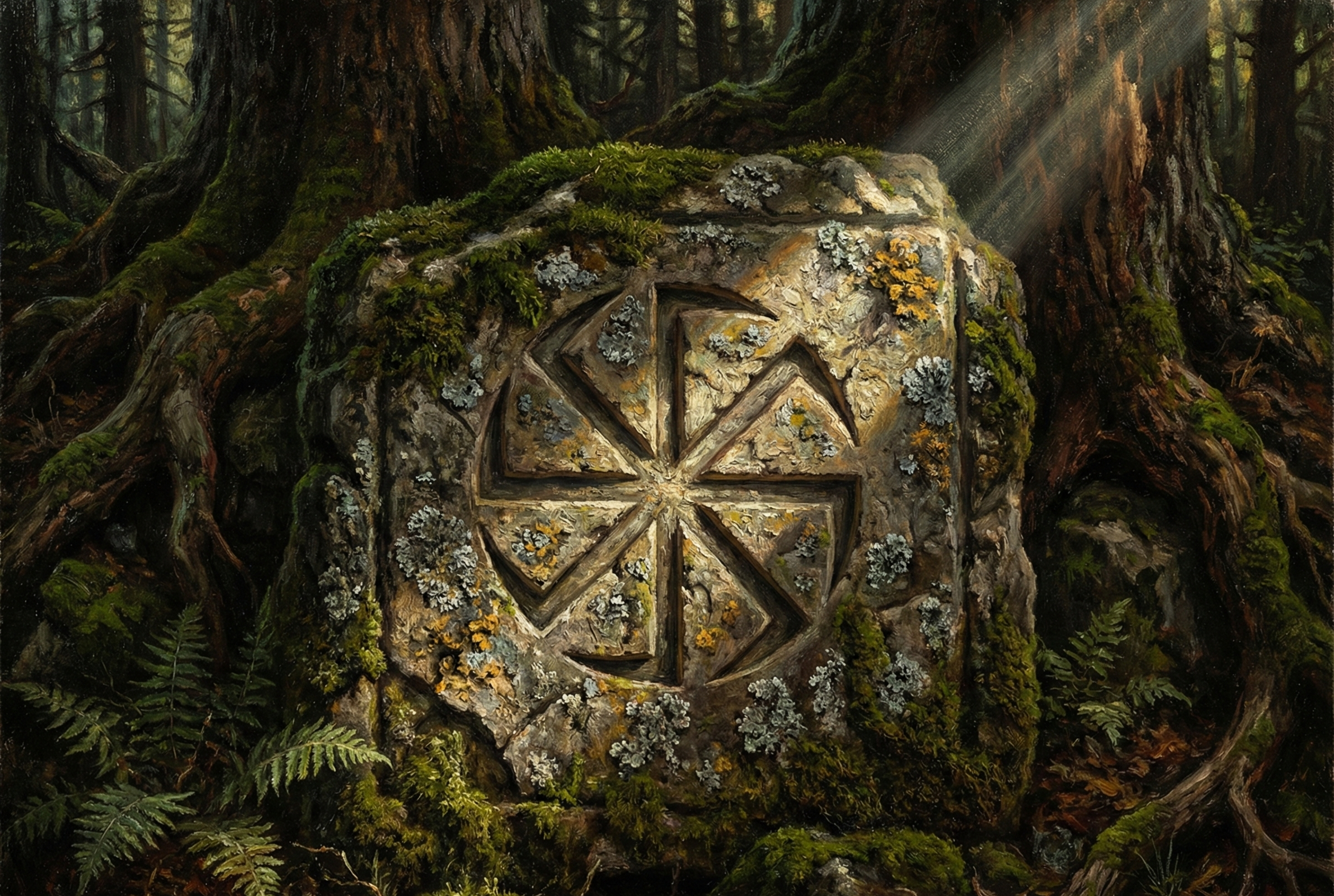
The Kolovrat is not a symbol of stasis. It is not a picture of the sun sitting motionless in the sky. It is the sun in motion, the wheel that…
The Kolovrat is not a symbol of stasis. It is not a picture of the sun sitting motionless in the sky. It is the sun in motion, the wheel that…
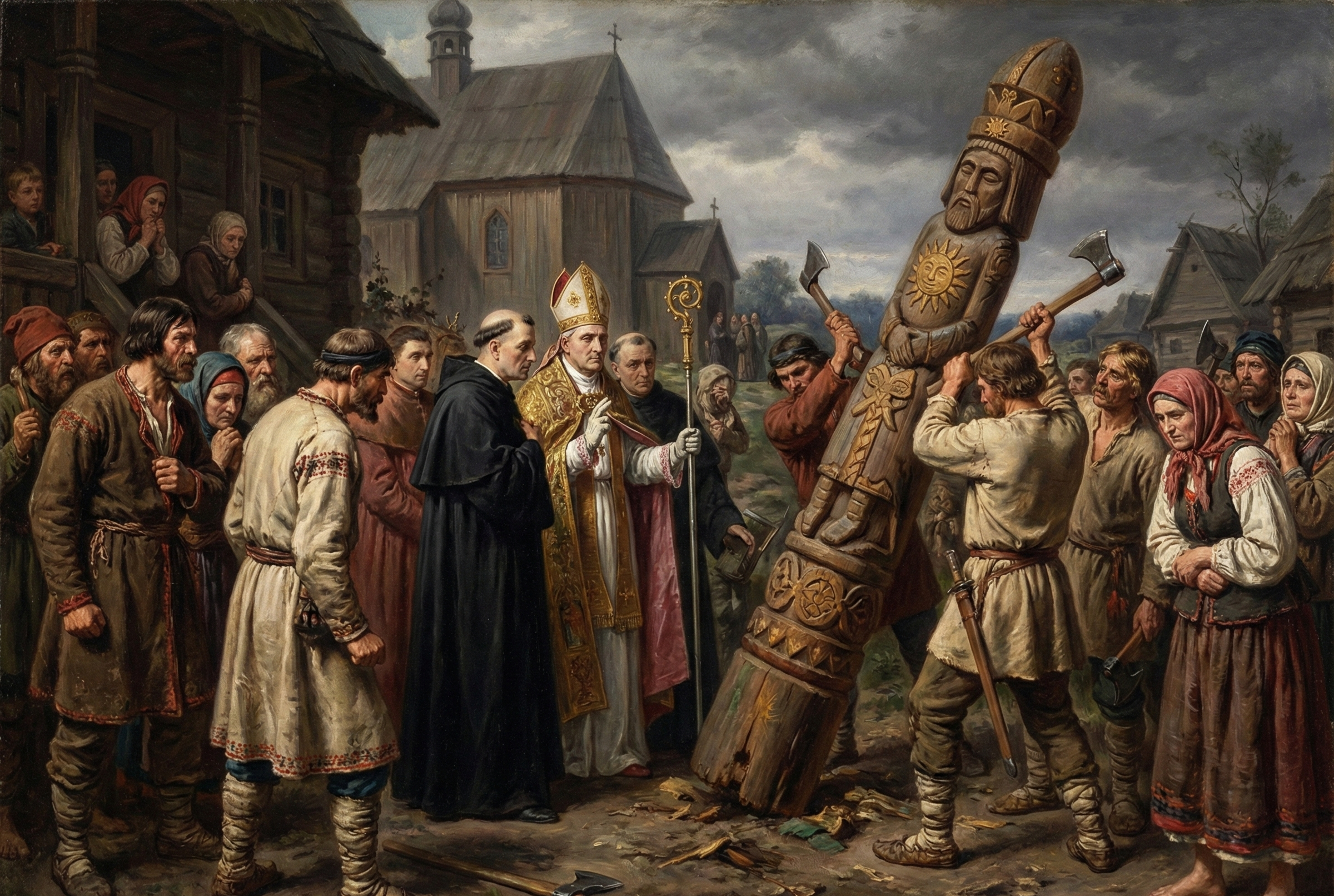
[expand] When Christianity arrived, the Kolovrat posed a problem for the Church. It was too obviously pagan, too tied to sun worship, too resistant to reinterpretation. The cross could…
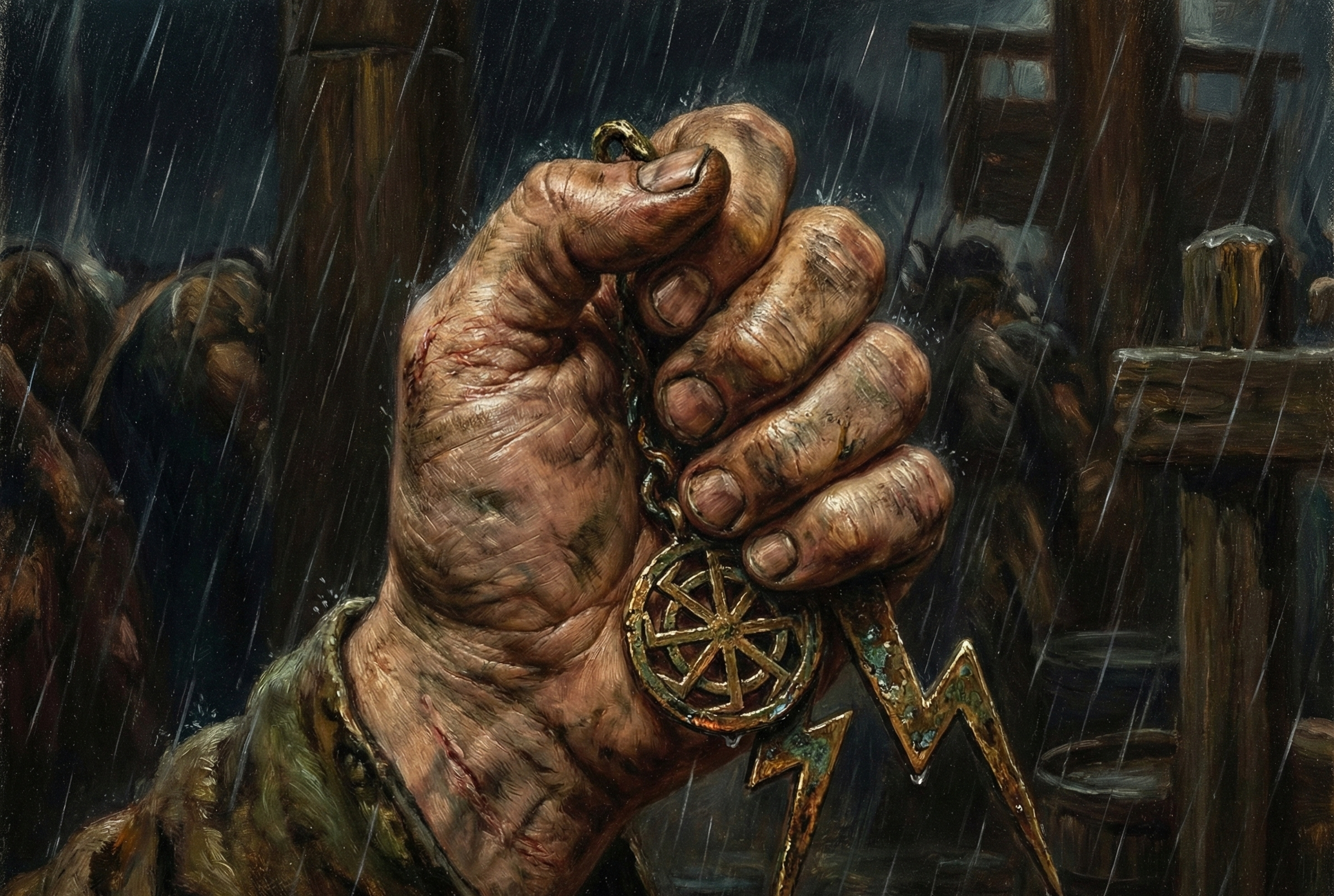
[expand] The sun’s symbol often appeared alongside Perun’s thunderbolt—the six-spoked wheel of fire paired with the zigzag of lightning. This was not coincidence. The sun and the storm were…
[expand] A related but distinct symbol is the swastyka (swarzyca in some Slavic dialects)—a Kolovrat with bent spokes, creating an impression of aggressive, whirling motion. This symbol has been…
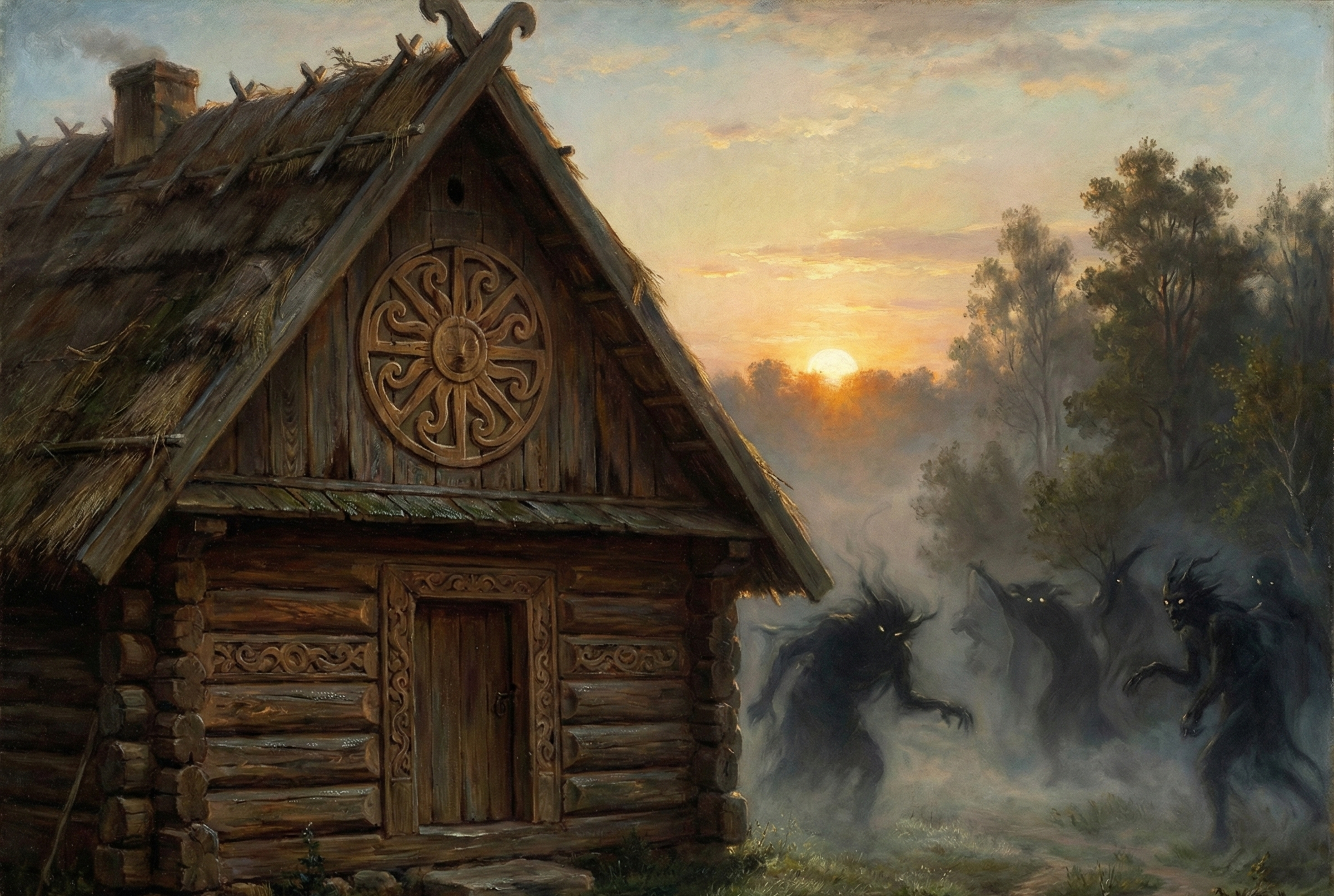
[expand] The Kolovrat was not confined to temples or sacred groves. It appeared everywhere—on houses, tools, clothing, pottery—because the sun’s protection was needed everywhere. House Gables: The triangular gable…
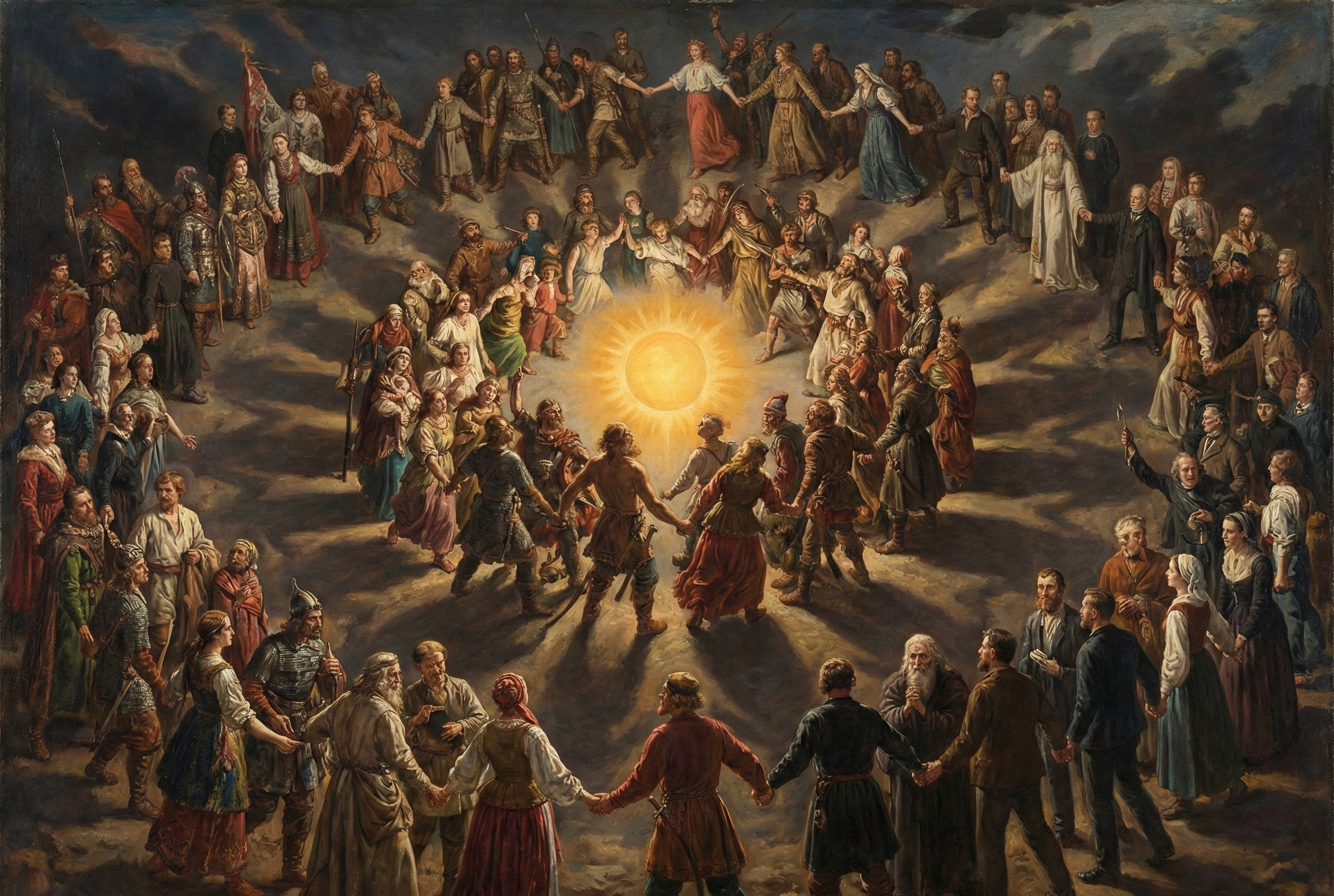
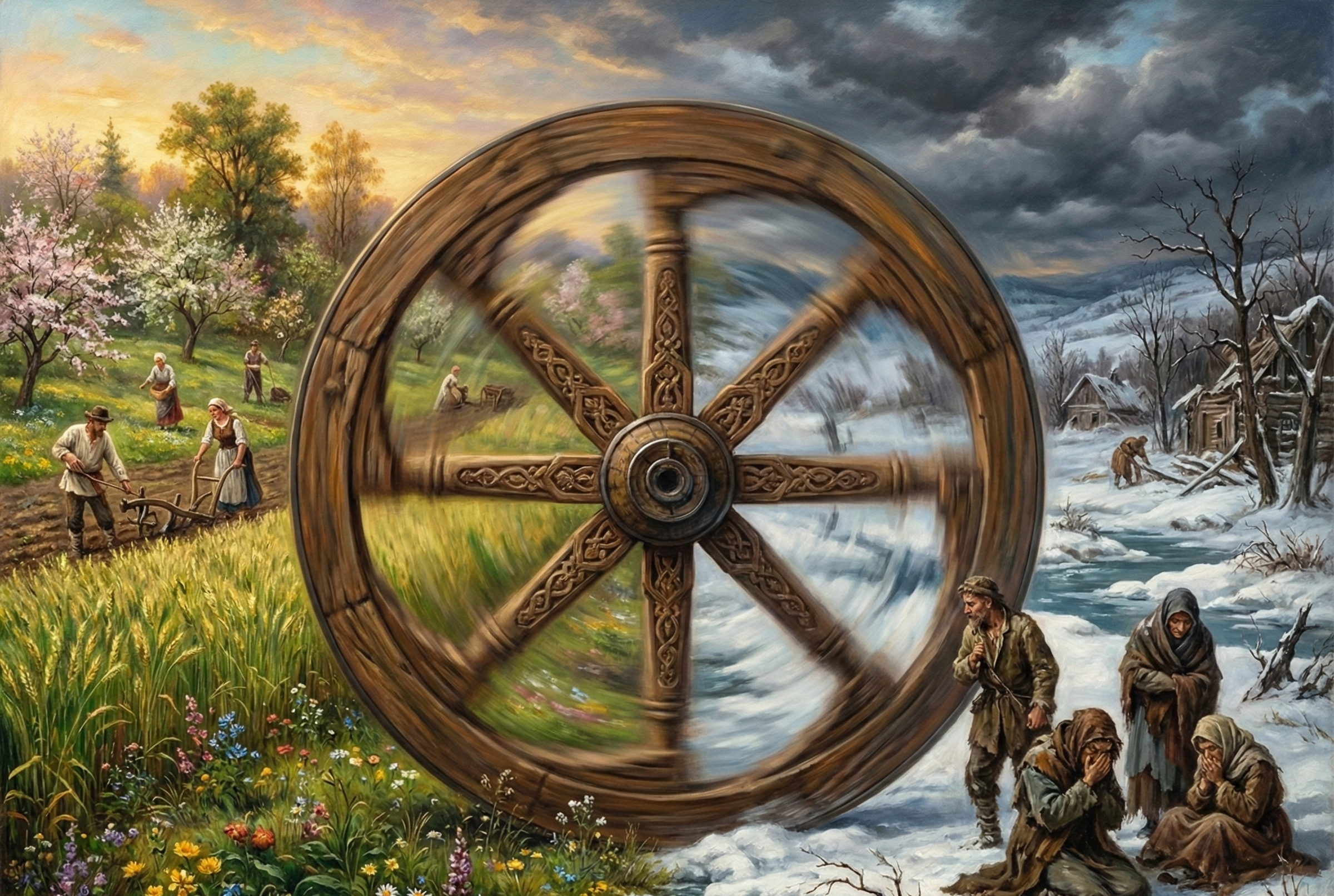
[expand] The sun’s motion was not only daily but yearly, and the Kolovrat served as a calendar, a map of the agricultural and ritual year. The Winter Solstice (around…
[expand] The sun does not simply “rise” and “set” in Slavic cosmology. It undertakes a heroic journey each day, a battle against the forces of darkness that threaten to…
[expand] The word kolovrat comes from two roots: kolo (wheel) and vrat (to turn, to spin). It is the Wheel that Turns, the symbol of the sun in motion,…
The Sun as Living Deity [expand] The sun was not a distant ball of burning gas to the ancient Slavs. It was Swarożyc—the son of Svarog, the Celestial Smith—a…