Color as Prayer
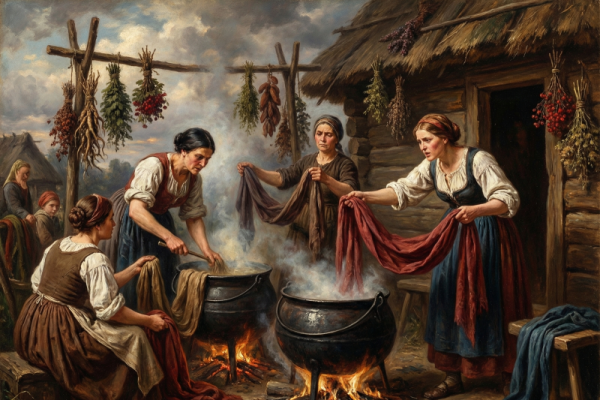
[expand] Every colored thread woven into fabric, every dyed garment worn, every painted symbol on wood or stone was a form of wordless prayer. The color spoke where language…
[expand] Every colored thread woven into fabric, every dyed garment worn, every painted symbol on wood or stone was a form of wordless prayer. The color spoke where language…
[expand] Certain individuals observed color restrictions based on life stage or spiritual state. Widows: Widows avoided bright colors—no red, no yellow, limited green. They wore white (early mourning) then…
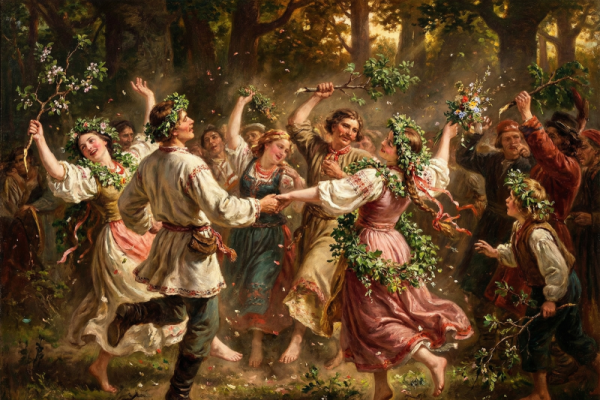
[expand] Colors aligned with the agricultural year, creating a chromatic calendar. Spring: Green dominated—new growth, renewal, awakening. People wore green wreaths, decorated homes with green branches, dyed eggs green…
[expand] Colors rarely appeared alone; their combinations created complex meanings. Red and White: Red embroidery on white linen was the most common combination—life force (red) inscribed on purity (white),…
[expand] Brown (brązowy) was the color of wood, leather, earth—the practical materials of daily life. Groundedness: Brown represented connection to earth, stability, the unglamorous but essential foundation of existence.…
[expand] Yellow (żółty) and gold (złoty) represented the sun’s light, ripe grain, and divine radiance. Solar Power: Yellow was sunlight made tangible—the color of Swarożyc at midday, of Perun’s…
[expand] Green (zielony, zeleny) was the color of spring, growth, the untamed forest, and the spirits dwelling in wild places. Spring and Renewal: Green shoots emerging from black earth…
[expand] Blue (niebieski, modrý) was rarer than red, white, or black—the dye was expensive, the process difficult—but its associations with water and sky made it spiritually significant. Water: Blue…
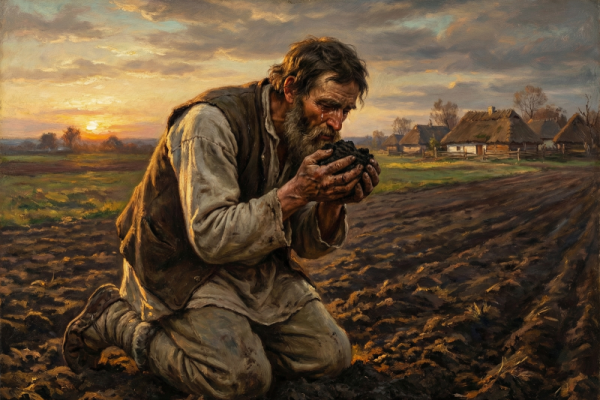
[expand] Black (czarny, črny) was the color of earth, the underworld, the hidden depths where transformation occurred. The Fertile Earth: Black soil—humus rich in decomposed matter—was the most fertile.…
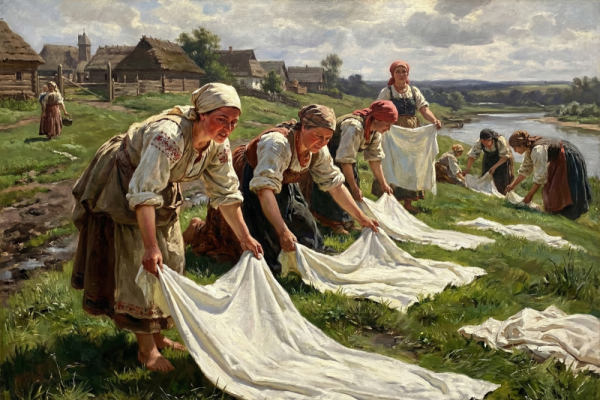
[expand] White (biały, bely) was paradoxical—simultaneously the color of purity and death, beginning and ending, the blank canvas and the shroud. Purity and Innocence: White linen was the base…
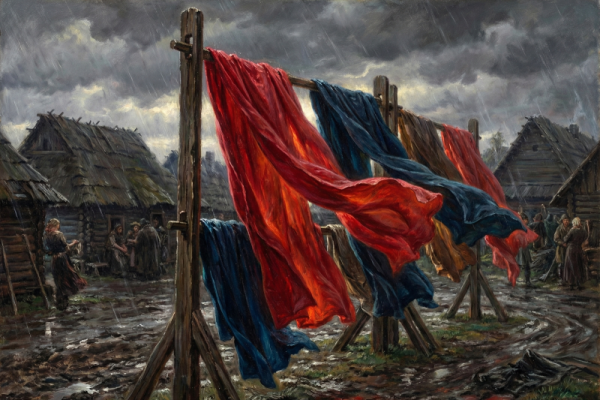
[expand] Red (czerwony, črveny) was the most powerful color in the Slavic palette—the color of blood, fire, sunrise, and vitality. Blood and Life Force: Red was blood made visible,…
Color as Force [expand] Color was not passive decoration to the ancient Slavs. It was active force, energy made visible, a carrier of specific spiritual properties that could heal,…