The Living Tradition
[expand] Amulets never died. In rural Eastern Europe into the 20th century, grandmothers still tied red thread around grandchildren’s wrists. Farmers still nailed horseshoes above barns. Brides still wore…
[expand] Amulets never died. In rural Eastern Europe into the 20th century, grandmothers still tied red thread around grandchildren’s wrists. Farmers still nailed horseshoes above barns. Brides still wore…
[expand] Christianity attempted to eliminate pagan amulets, condemning them as superstition. But the practice was too deeply embedded to eradicate. Instead, substitution occurred: pagan amulets were replaced with Christian…
[expand] Even the dead required amulets for their journey to Navia. Grave Goods: Objects buried with the corpse functioned as traveling amulets—tools for the journey, protection against underworld demons,…
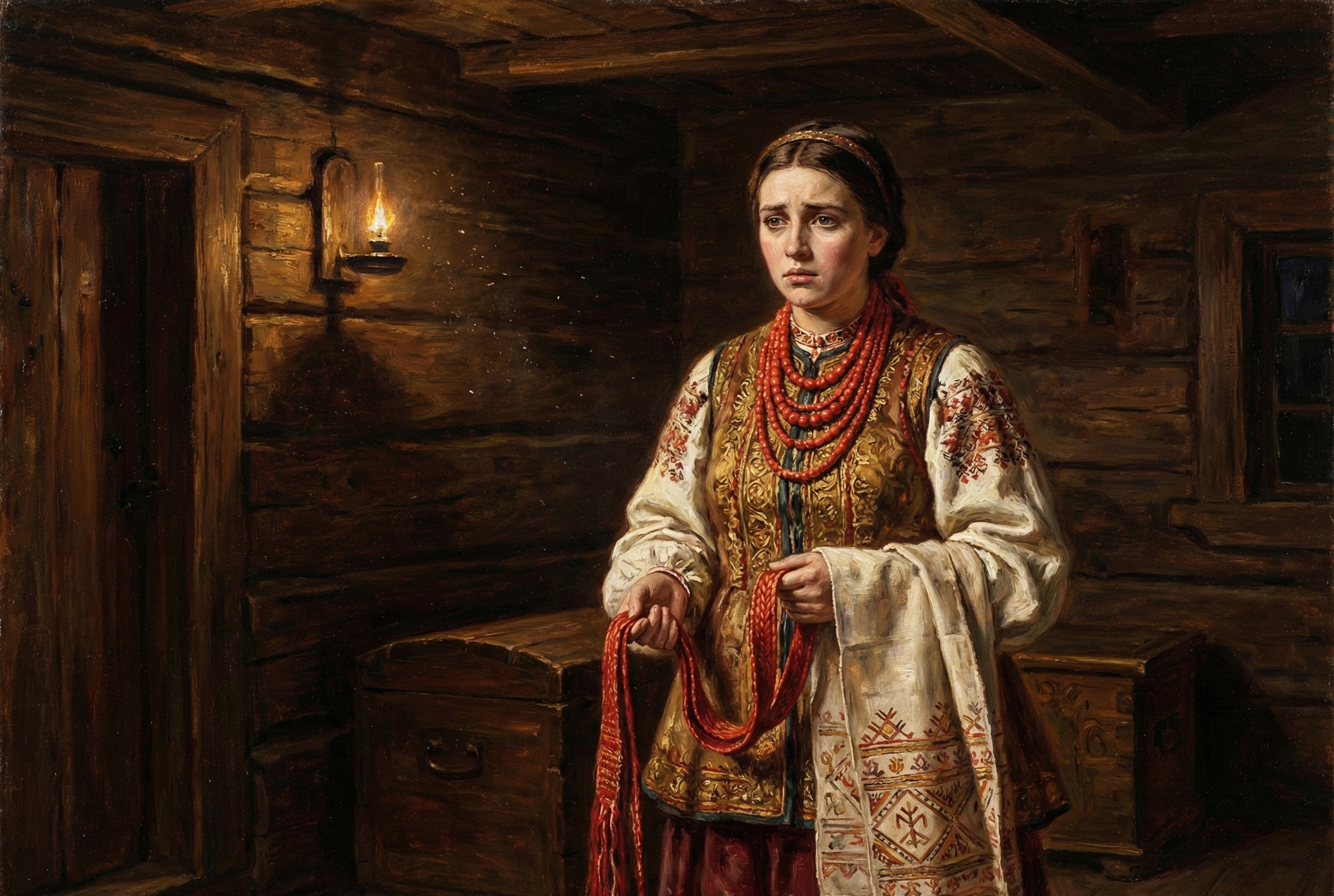
[expand] Marriage was a dangerous transition—the bride leaving her family’s protection, entering a new household with unknown spirits. Both bride and groom required amulets. The Bride’s Amulets: Red belt…
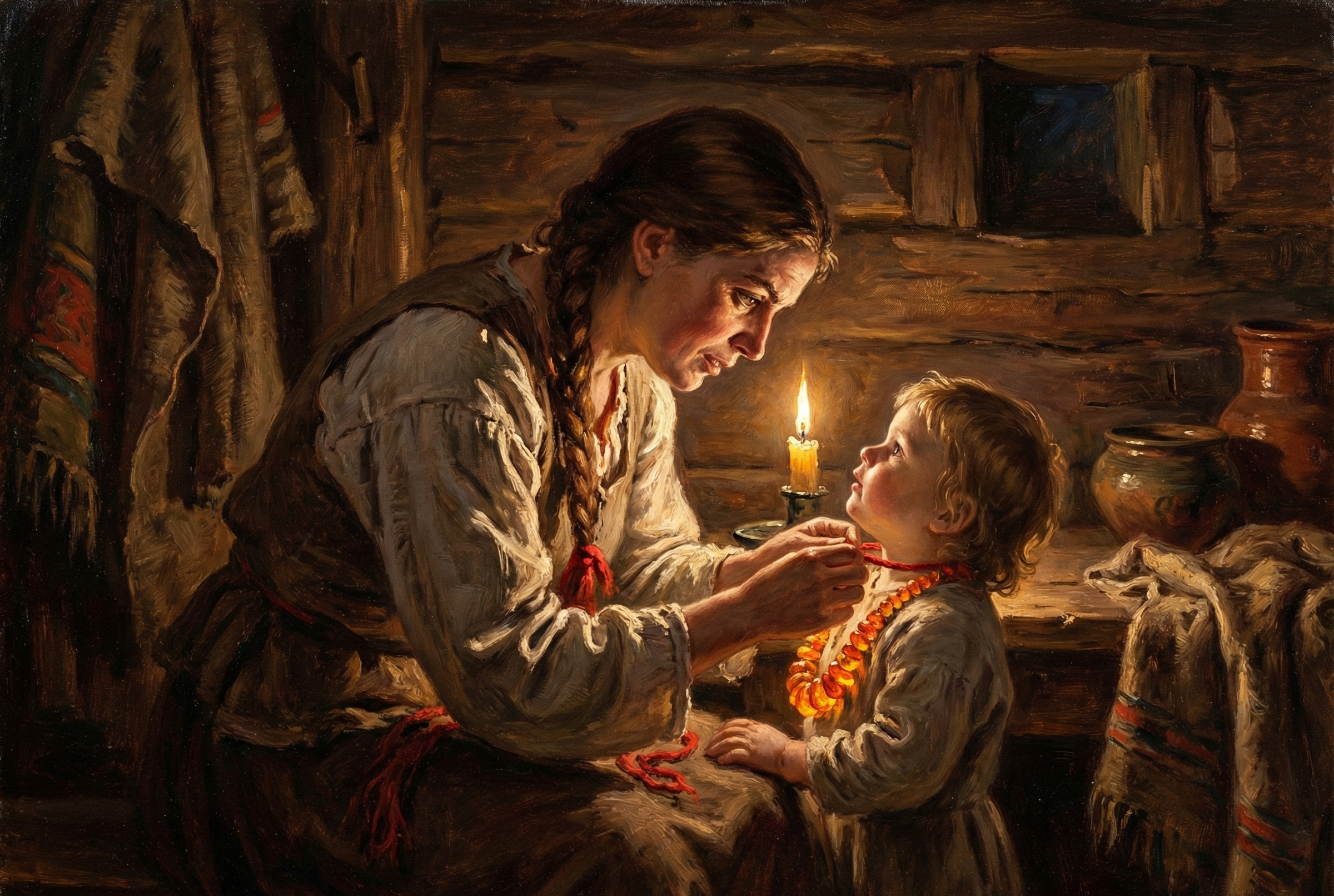
[expand] Infants and young children were supremely vulnerable—their souls not yet fully anchored, their life force weak, their attraction to malevolent spirits strong. Therefore, children were laden with protective amulets.…
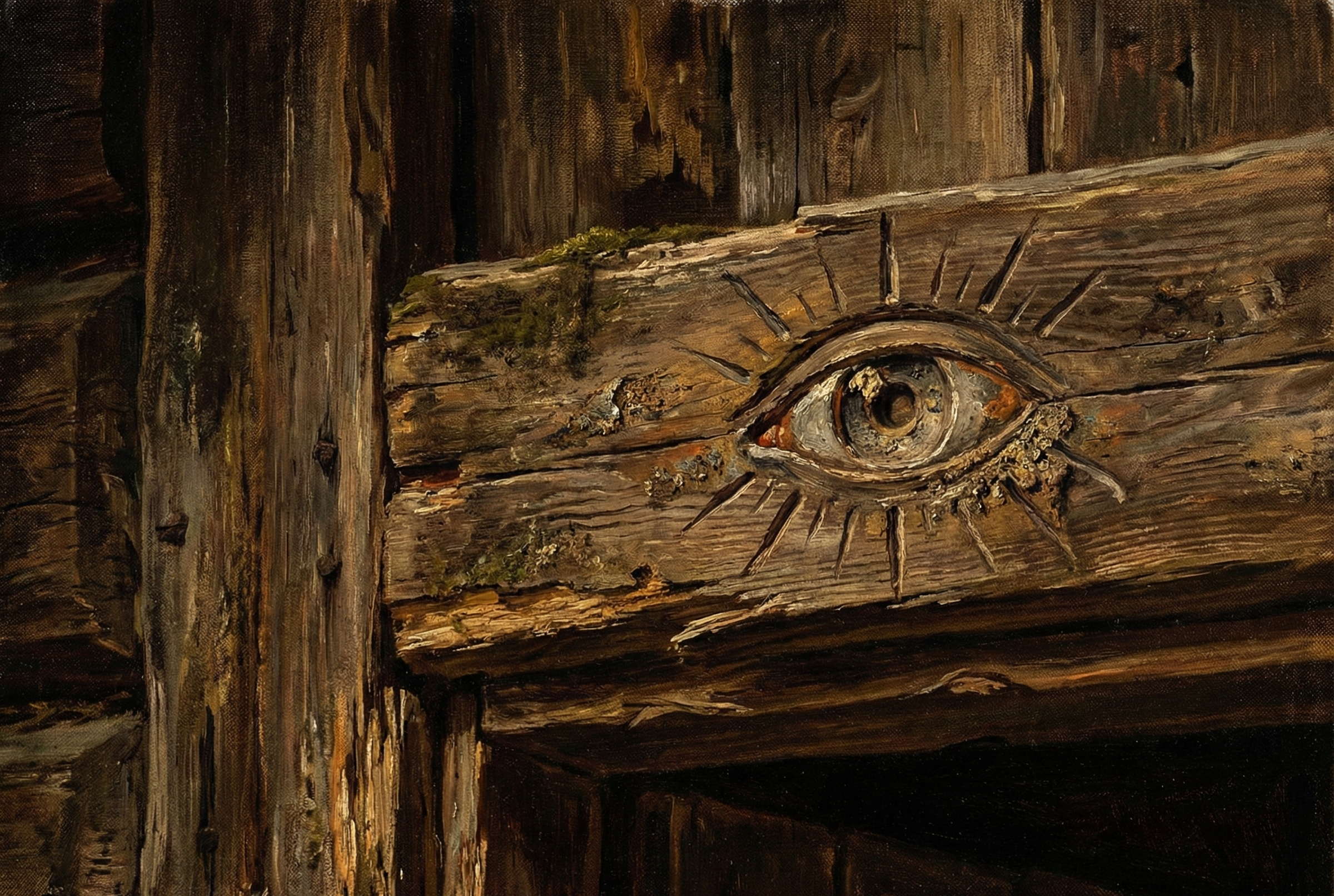
[expand] Different threats required different protections. Against the Evil Eye: Red thread around the wrist Eye amulets worn visibly Salt carried in a small bag Garlic cloves in pockets…
[expand] An amulet’s effectiveness depended on proper use and maintenance. Wearing: Amulets were typically worn close to the body—around the neck, wrist, or ankle, or sewn into clothing. The closer…
[expand] An amulet or talisman was not merely an object. It had to be made sacred through proper creation and activation. The Maker: Ideally, amulets were crafted by those…
[expand] The physical form of an amulet or talisman contributed to its function. Circular Amulets: Circles created closed boundaries—no beginning, no end, no weak point for penetration. Circular amulets…
[expand] Certain substances inherently carried protective or attractive qualities, making them ideal for crafting amulets and talismans. Iron: Iron was the supreme apotropaic material—demons feared it, malevolent spirits recoiled…
The Difference Between Defense and Fortune [expand] The words are often used interchangeably, but in Slavic practice, amulets and talismans served distinct functions. An amulet was defensive—a shield against…